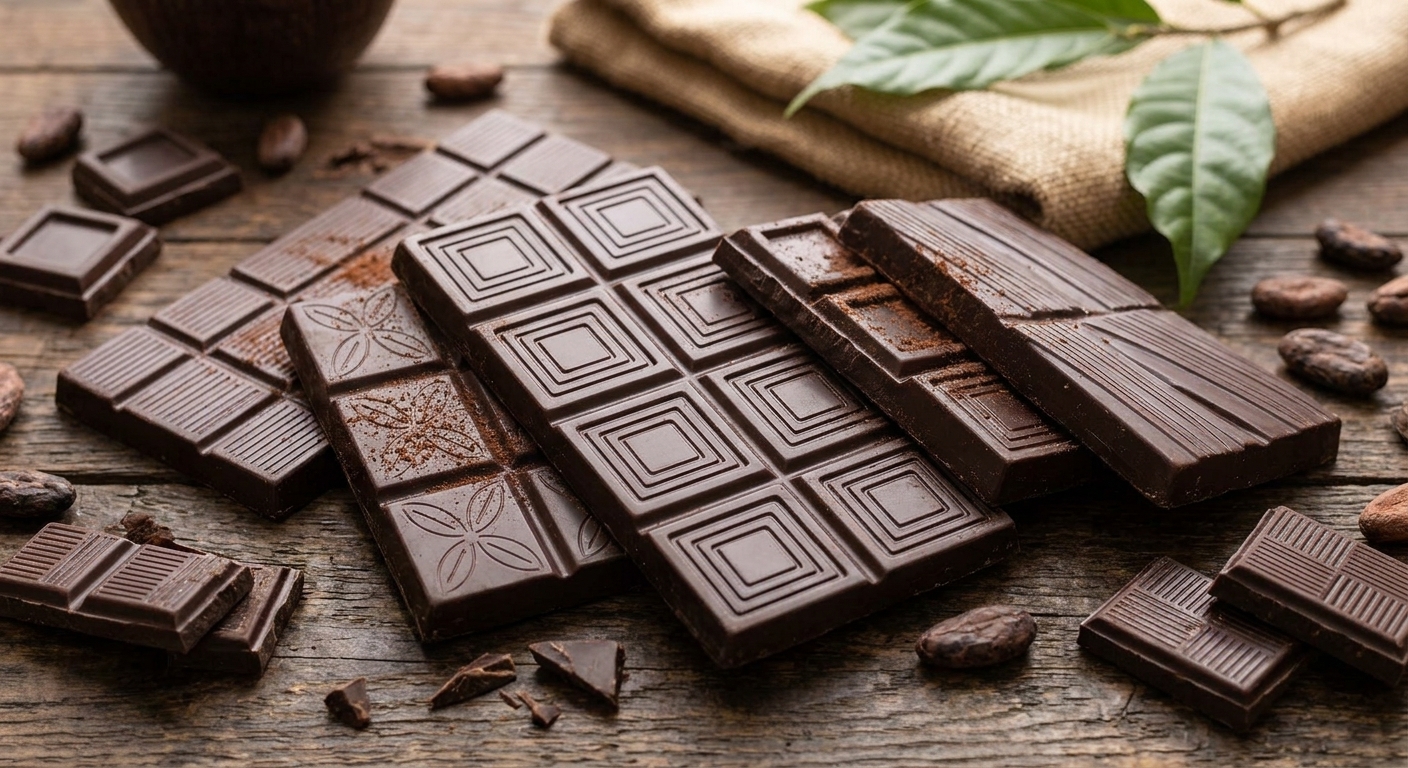
Bars and chips of chocolate have been part of the sugary palette of Filipinos and non-Filipinos for decades. They are often consumed after one’s main course meal is over, but with reasonable dietary limits to prevent health complications—notably diabetes—from occurring. Consumers, at least once in their lives, have encountered purchasing and ingesting these confectionery products out of pleasure. Meanwhile, others prefer to offer these chocolate bars and cookies as a sign of appreciation and love for colleagues, family members, and friends. Products like the Philippines’ very own Ricoa Flat Tops (manufactured by Comfoods) and Jack & Jill Nips (owned by Universal Robina Corporation, a subsidiary under the John Gokongwei Jr. Group); the United States’ Hershey’s, M&M’s, and Reese’s; Japan’s Meiji and Glico (the producer of Pocky flavor-coated sticks); and Switzerland’s Lindt dominate the cocoa landscape of the planet. These companies regularly rake in millions in revenue generated from consumer sales in various countries.
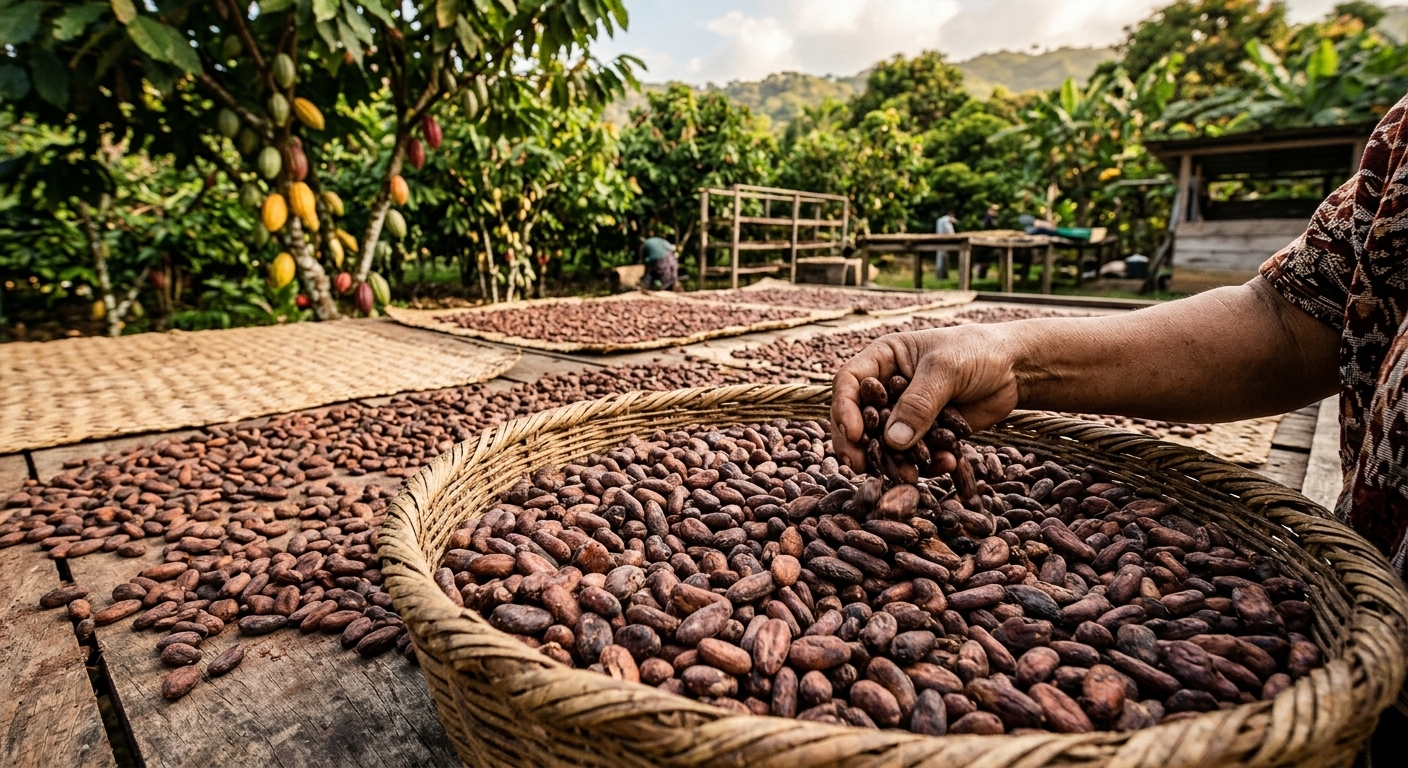
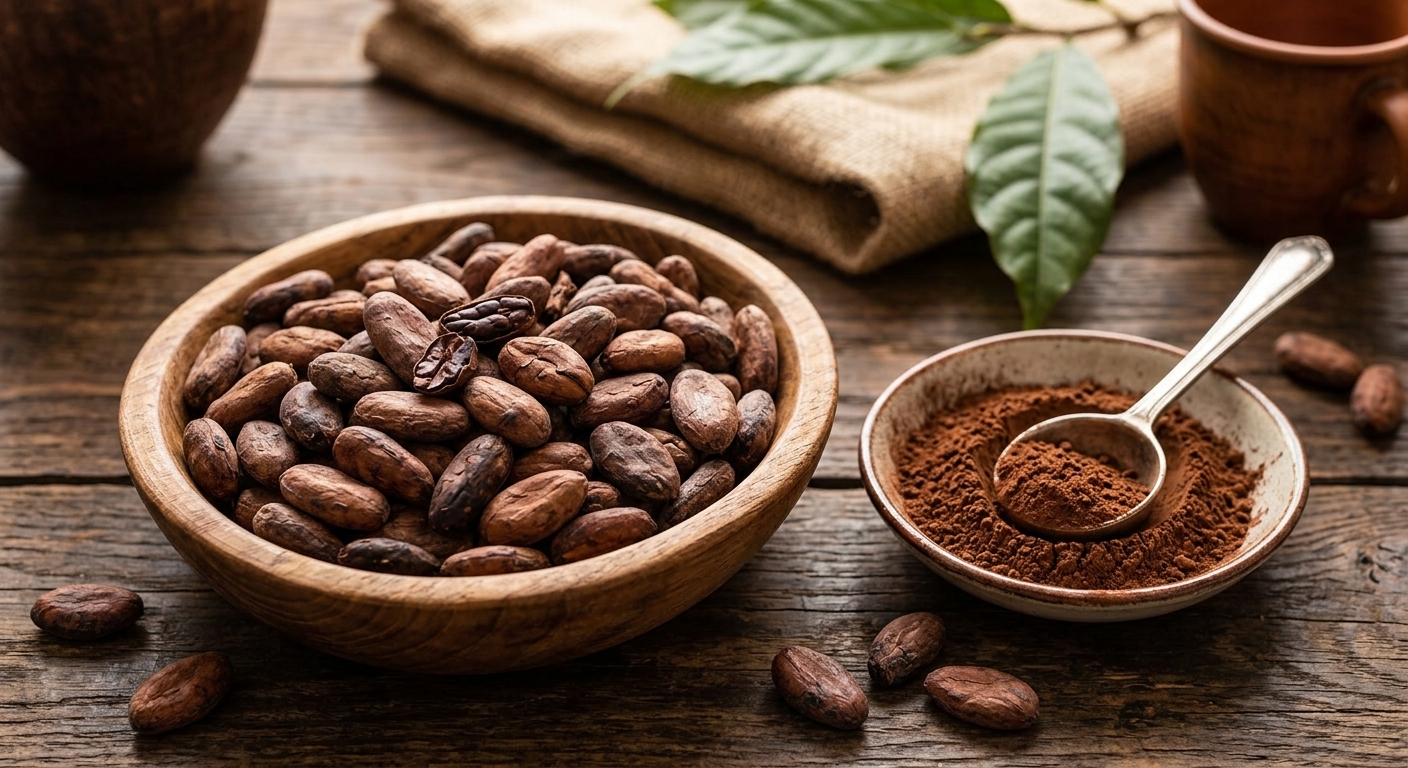
One may wonder how chocolate came into the picture in the global landscape. Contrary to what many people believe, chocolate did not begin as a sweet tooth remedy for consumers. Actually, it gained traction as a bean, specifically from a cacao tree. It wasn’t originally produced in the Philippines or in Switzerland, but in Latin America. For a farmer to produce real cocoa beans, he has to evaporate the liquid components (particularly water) from the beans’ surfaces and roast them into ripe beans. This procedure functions similarly to coffee beans, where they are initially picked by farmers and then processed accordingly into beans. After this rigorous process, these beans undergo necessary polishing procedures, the very components that manufacture the chocolate bars and coffee powders we frequently come across on market shelves in many parts of the world.
In the Philippine context, chocolate arrived in this Southeast Asian archipelago during the height of the Manila-Acapulco Galleon Trade in 1670. As discussed earlier, Latin America (particularly in Mexico) was the originating point of international chocolate production on a grassroots level. In effect, the long-travelled ships travelling from Mexico to the Philippines paved the path for succeeding Filipino generations to reap the joys of chocolate bars and chip cookies. Other than cacao beans, Mexican traders exported agricultural products like mangoes and avocado as a way to mold Filipino appetites to be trained to consume healthy meals called whole foods. From a historical standpoint, the Galleon Trade system served as one of the early blueprints of the Philippine import-export system that is widely utilized when interacting with various economies like the United States, Japan, China, and even the European Union.
For a common Filipino, Crave Cacao may seem to be a novel brand name in the Philippine chocolate market. It is not as mainstream as Toblerone, Cadbury, and Hershey’s, but it denotes the beauty of the local cacao landscape from the provinces. If one spends a fraction of their time analyzing the name's intent, it resonates with how Filipinos, and even foreign tourists, maintain a deep affinity for chocolates as long-standing endorphins in their lives. In biology, endorphins are brain-produced hormones that are intended to evoke pleasure and relieve pain.